
Smart Fixes for Seriously Challenging Landscapes


From Problem Patch to Planting Success
If you garden in places like Mississauga, Burlington and Oakville, you know how tricky some gardens can be, especially with our clay soils.
Gardens beside driveways bake in the summer. Side yards turn into wind tunnels. But with the right plant choices and design strategies, even the most difficult spaces can shine.
Let’s dig in.
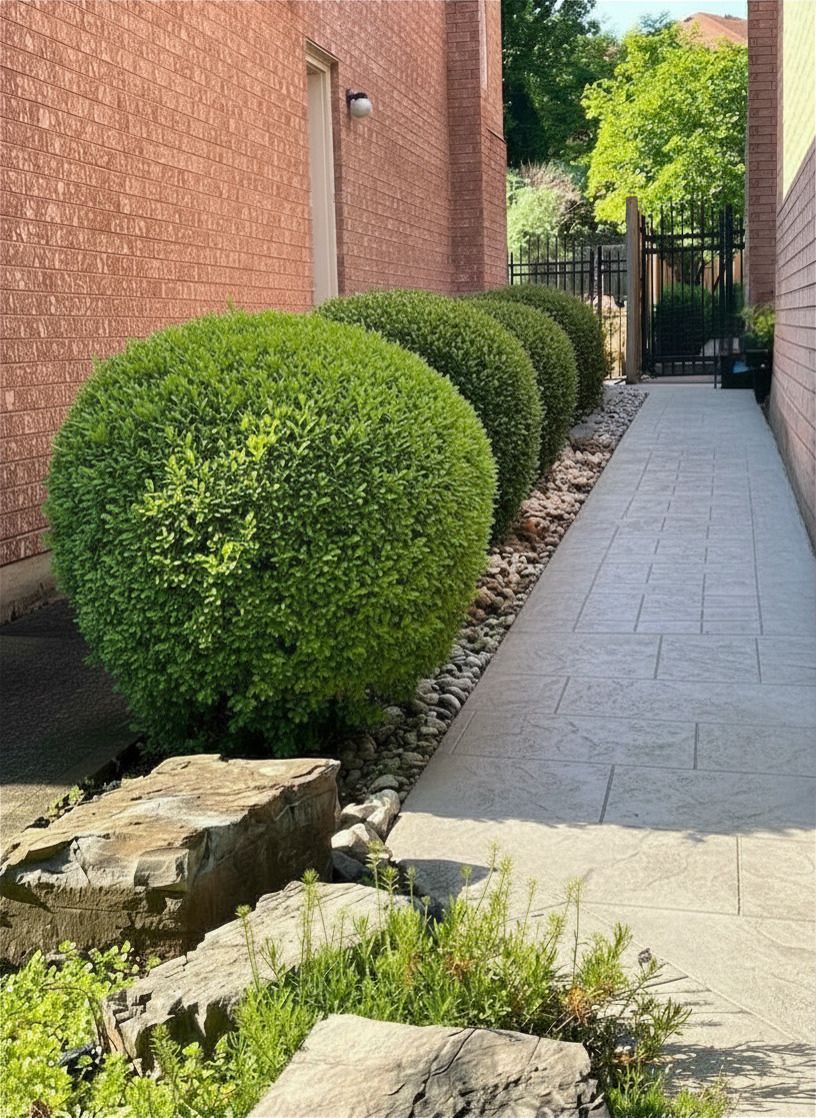
Gardens Between Driveways
The narrow strip of land between driveways is often overlooked in garden design. Many homeowners see it as an awkward, high-traffic space with little room to work and plenty of challenges. Yet with thoughtful plant choices, smart layout, and a bit of neighbourly cooperation, this small in-between area can become an eye-catching and attactrive garden that enhances both properties.
The challenge: Intense summer heat, snow piles in winter, limited watering and compacted clay soil, all in a very tight space.
What works in Zone 5/6: Boxwood or Inkberry Holly (for structure), Serviceberry shrubs (if space allows), Karl Foerster grass, Lavender (in well-drained soil), Catmint, Spirea, Hosta (if shaded), Coral bells (also called Heuchera), Native grasses (switchgrass, little bluestem), Coneflower (Echinacea), Black-eyed Susan, Sedum, Russian sage, Daylilies, Yarrow.
Design tips: Use repetition. In a narrow strip, repeating one or two plant types looks intentional and modern. Plant densely to help shade soil, reduce weeds and hold moisture. Solar-powered lights are a great addition to highlight your garden's features and illuminate your driveway at night.


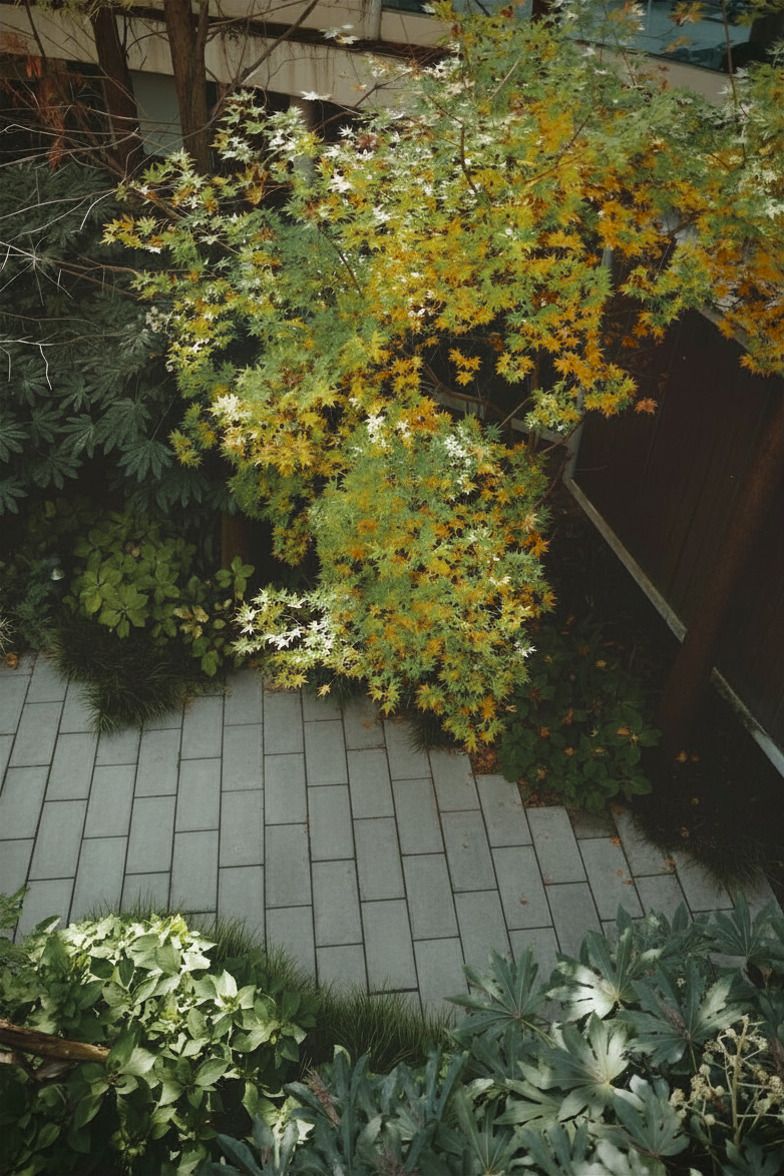
Shady Side Yards
Shady side yards are often the most neglected spaces in the landscape. Tucked between houses and starved of sunlight, they can feel damp, narrow, and uninspiring. But these overlooked corridors hold real potential. With the right plant palette and a design that embraces shade rather than fights it, a side yard can become a cool, layered retreat filled with texture, softness, and quiet beauty.
The challenge: very little sun, poor airflow, damp soil, hard to access
Plants that thrive: Hostas, Ferns, Astilbe, Brunnera, Bleeding heart, Hydrangea (panicle types tolerate part shade)
Design tip: Lean into a woodland aesthetic. Layer heights and textures instead of chasing flowers.
Under Mature Trees
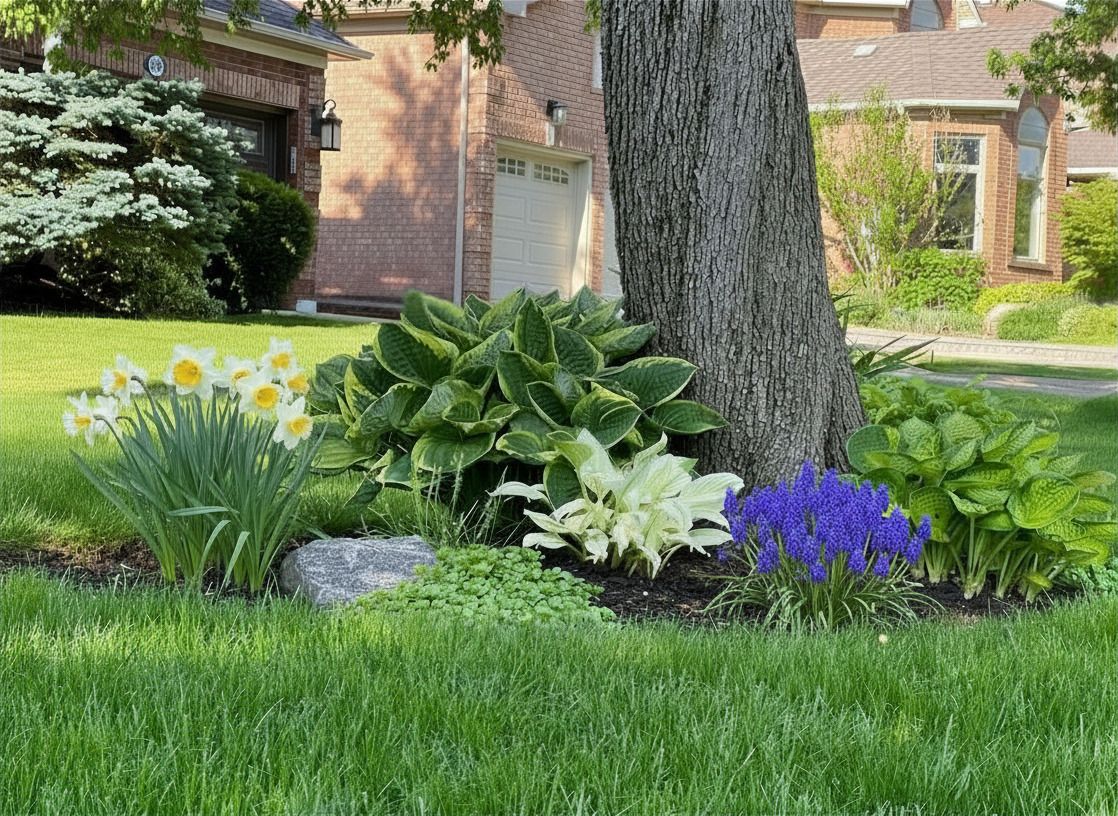
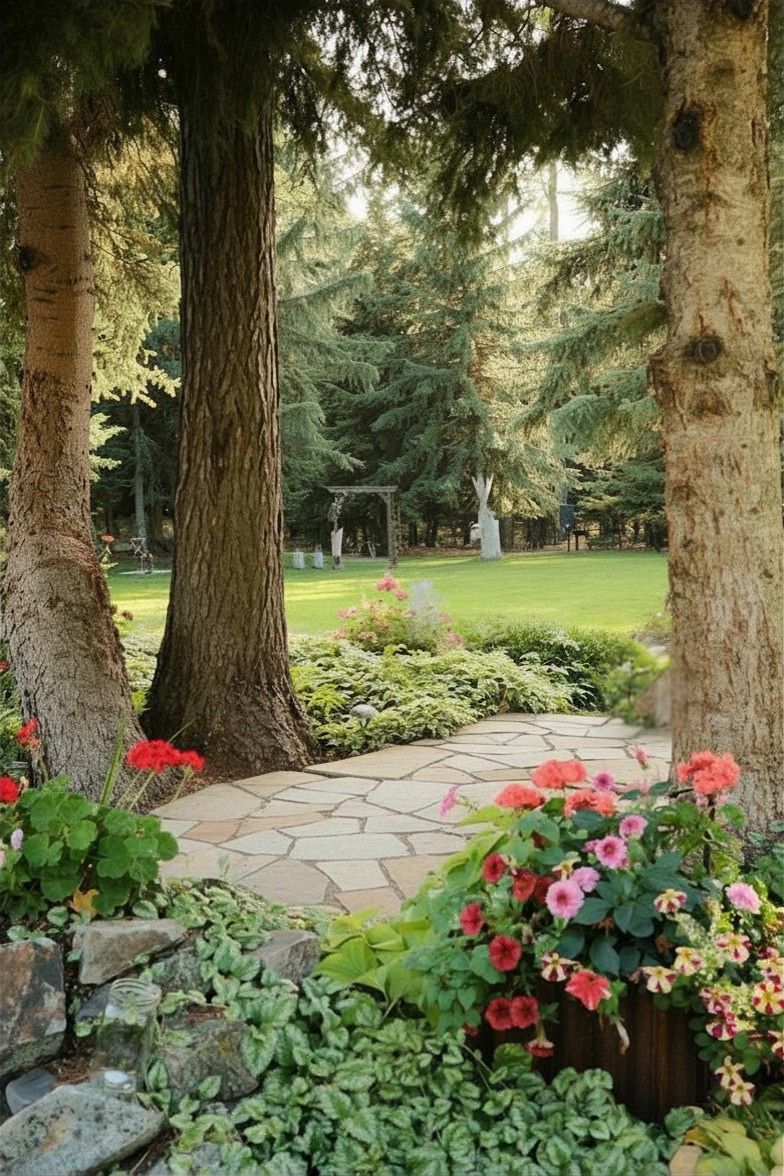
Gardening beneath mature trees can be a real challenge. Thick roots can make it difficult for other plants to access moisture and nutrients, while a dense tree canopy casts deep shade. But, by choosing plants adapted to dry shade and taking a gentle, root-friendly approach to planting, the area under established trees can become a calm, layered understory that adds depth and beauty to the landscape. If all else fails, planting in baskets or planters gives tender flowers their own soil without root competition.
The challenge: root competition, dry shade (maple trees are especially thirsty), nutrient depletion
Best bets: Lungwort, Epimedium, Lamium, Sweet woodruff, Spring bulbs (planted between roots carefully)
Pro tip: Avoid digging deeply. Add compost on top and let worms do the work.
Windy Corners & Exposed Front Yards
Windy corners and exposed front yards can test even the toughest plants. Constant gusts, winter wind burn, and drying summer breezes pull moisture from soil and foliage alike, while open exposure leaves plants vulnerable to temperature swings. These spaces often feel harsh and difficult to design around. However, by selecting sturdy, wind-tolerant shrubs and perennials and layering plantings to create natural shelter, you can turn a blustery area into a resilient, structured landscape that stands strong through every season.
The challenge: winter wind burn, desiccation (winter drying, especially for evergreens), snow scouring (abrasion from wind-blown snow and ice) and no respite from the blistering sun.
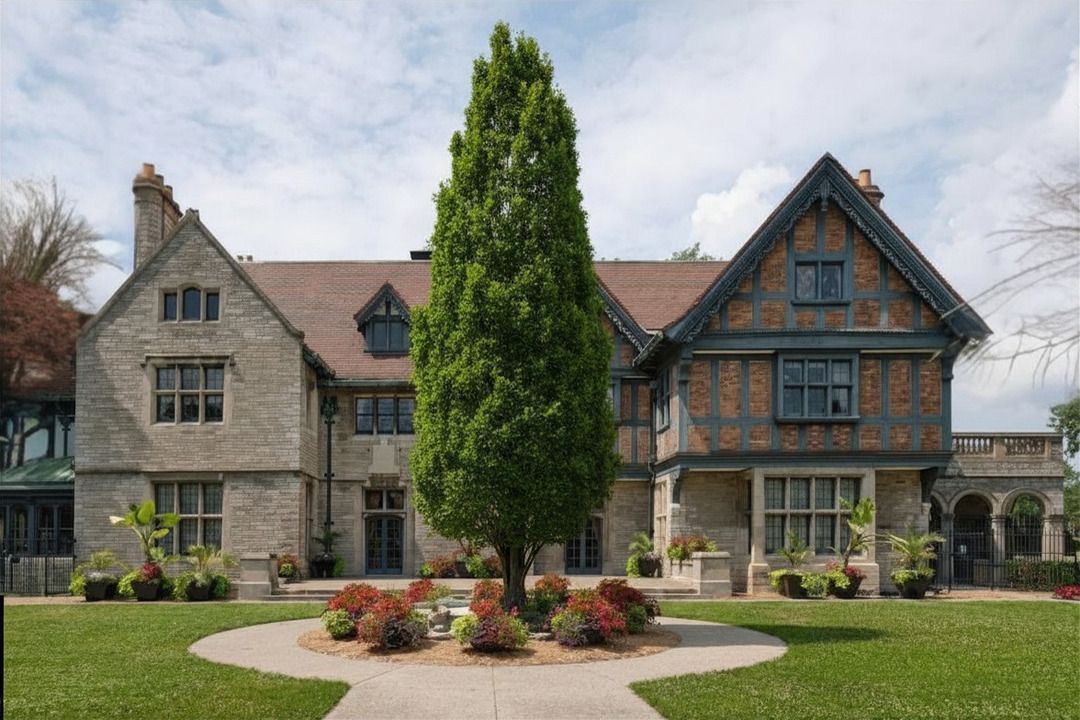
Plants That Can Take It: Cedar, Pyramidal European Hornbeam (Carpinus betulus 'Fastigiata'), Serviceberry (Amelanchier canadensis), Mock Orange (particularly native varieties like Lewis' Mock Orange), Ninebark, Juniper, Potentilla, Coneflowers, Bee balm
Design idea: Use shrubs as wind buffers and plant perennials behind them for protection.
Windy tip: Installing burlap screens around young evergreens can provide protection during their first few winters.
Maintenance is Key
Even the toughest garden spaces need consistent care. Keep weeds in check, prune regularly to maintain plant health and shape, and water deeply during dry spells — especially in the first few years while plants establish.
An annual top-dressing of compost and a refreshed layer of mulch will support soil health and help regulate moisture. With steady maintenance, challenging areas can stay healthy, resilient, and beautiful for years to come.
At the Root:
Gardening in Zone 5 and 6 Ontario isn’t about fighting conditions — it’s about choosing plants that want to grow there.
The toughest spots often become the most interesting gardens because they push us to think differently. With the right plant palette and thoughtful design, even a salt-blasted boulevard can become a pollinator haven, and a windswept front yard can feel grounded and intentional.
Have a tricky corner, a stubborn strip, or a space that just won’t thrive? You don’t have to solve it alone. Challenging sites are what we do best. If you’ve got a tough spot in your landscape, let us help you turn it into one of your garden’s strongest features.