
Front Yard Landscaping Ideas for Ontario Homes


Landscape Design Ideas to Improve Curb Appeal
Whether you're updating an established property, refreshing a newer home, or creating a front yard from a blank slate, thoughtful landscape design can transform how you experience your home every day. A well-designed front yard combines structure, planting, seasonal interest, and practical features such as walkways and lighting to create an entrance that feels welcoming, functional, and beautiful throughout the year. In this guide, we'll explore front yard landscaping ideas for Southern Ontario homes, including foundation planting, low-maintenance gardens, privacy solutions, native plants, and design principles that help create landscapes that continue to look beautiful as they mature.
Why Front Yard Landscape Design Matters
The front yard is the first part of your home that visitors (and you) experience every day. While curb appeal is often associated with resale value, a thoughtfully designed landscape offers benefits long before you ever think about selling. It creates a welcoming entrance, frames the architecture of your home, and provides colour, texture, and interest through every season.
Across the GTA and southern Ontario, no two properties are exactly alike. Mature homes often feature established trees, larger gardens, and existing landscapes that can be refreshed, while newer communities may begin with builder-installed lawns and minimal planting. The age of the neighbourhood, lot size, soil conditions, and surrounding landscape all influence the best design approach.
Looking for ideas specific to your neighbourhood? Explore our GTA Landscape Design Guides, a library of community-specific guides covering Oakville, Mississauga, Burlington, Milton, and surrounding areas. Each guide explores the landscape characteristics, common challenges, and design opportunities that make every neighbourhood unique.
No matter where you live, the best front yard designs begin with a comprehensive landscape plan. Rather than improving one garden bed at a time, a professional landscape designer considers how the entire property works together, from the driveway and front walk to the planting, lighting, and views from inside and outside your home.
Plan Your Front Yard Landscape Before You Plant
One of the biggest mistakes homeowners make is shopping for plants before deciding how they want the space to function.
A successful front landscape begins with the permanent elements that organize the space. Walkways should provide a comfortable and intuitive route to the front door. Garden beds should complement the architecture rather than compete with it, and focal points should naturally draw the eye toward the entrance.
Before thinking about flowers or shrubs, consider questions such as:
- How do visitors approach the front door?
- Are the garden beds well proportioned to the house?
- Is there an opportunity to soften large paved areas?
- Would widening a walkway or redefining planting beds improve the overall appearance?
Once these structural elements are established, selecting plants becomes much easier because every planting decision supports an overall design rather than filling empty spaces.
This is the difference between simply planting a garden and designing a landscape. Professional designers consider proportion, balance, repetition, and views before choosing individual plants. At Dimension Landscape Studio, we begin with how the space should function, then develop the planting and details that bring the vision together.
Foundation Planting That Complements Your Home
Foundation planting (sometimes called a foundation garden) refers to the plants placed around the base of a home, particularly along the front of the house. While these areas are often the first gardens homeowners think about updating, their purpose goes far beyond simply filling empty space.
Thoughtfully designed foundation planting helps anchor the home within the landscape, soften architectural lines, and create a natural transition between the building and the surrounding property. It can highlight attractive features of the home while helping less appealing elements blend into the overall design.
The goal isn't to hide the house behind a row of evergreen shrubs. Instead, effective foundation planting frames the home and enhances its architecture. Layering a mix of trees, shrubs, ornamental grasses, and perennials creates depth and texture, while repeating plants throughout the front yard helps create a cohesive design.
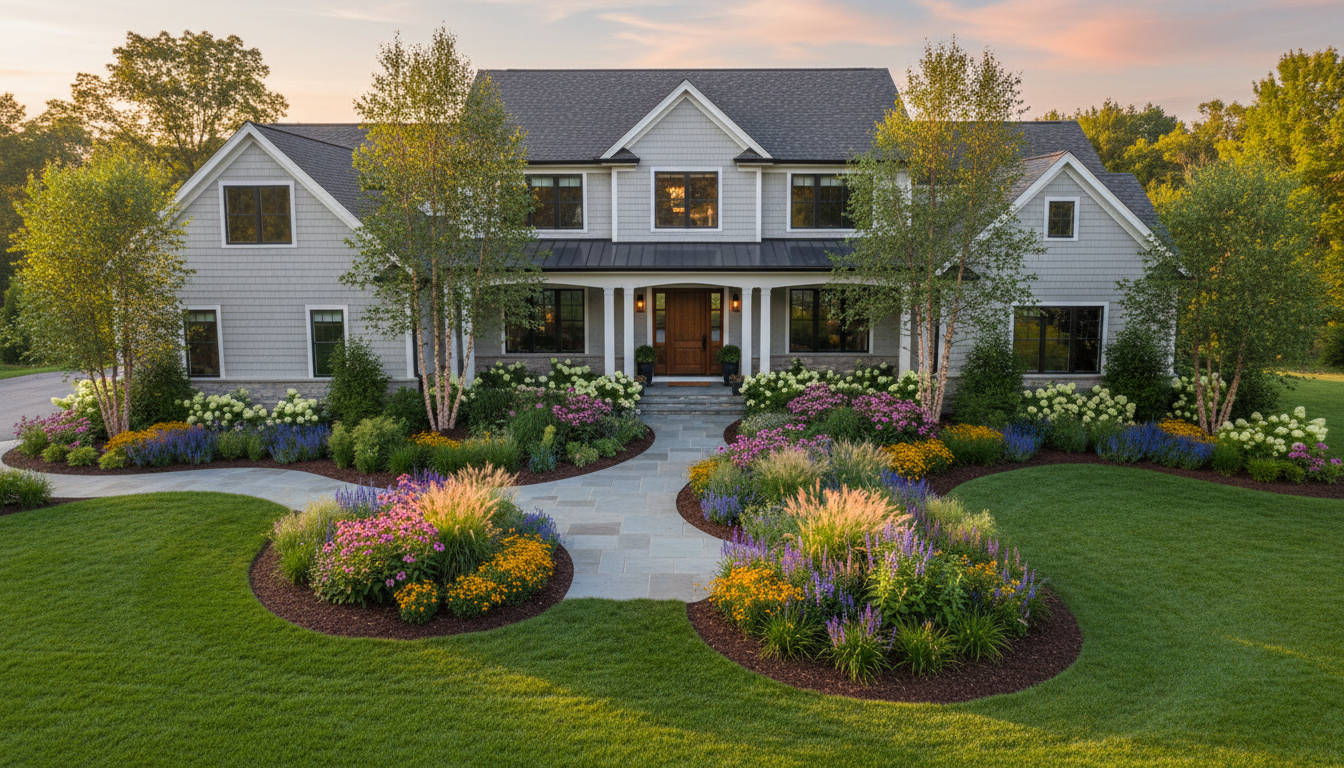
A landscape should complement the architecture, not compete with it. Small design decisions such as how plants frame corners, highlight windows, and create transitions between the home and garden can have a significant impact on the overall feel of a property. We explore these ideas further in our guide to Landscape Design Secrets: Principles Professional Designers Use to Create Beautiful Gardens.
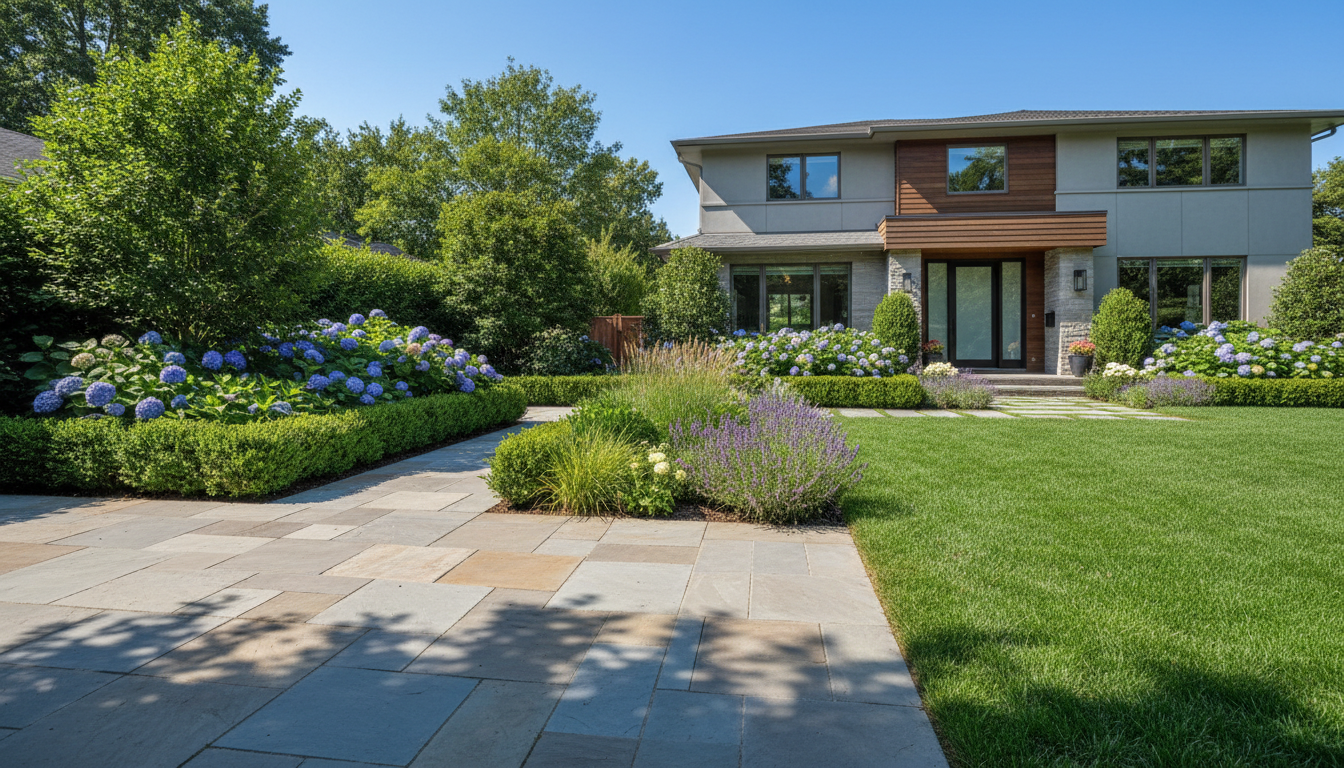
Your home's architecture should also influence the planting style. Modern homes often suit simpler plant palettes with clean lines, bold forms, and restrained colour, while traditional homes can comfortably incorporate softer planting, more seasonal colour, and greater variety. In this modern Burlington front yard, a structured planting design with clean lines, layered greenery, and carefully selected focal plants creates a landscape that complements the home's contemporary architecture.
Regardless of style, the most successful landscapes feel intentional and connected to the home rather than following short-lived trends.
How to Create Year-Round Interest in Your Front Yard
A beautiful landscape is constantly changing. The plants that create excitement in spring are different from those that provide colour and texture in summer, while autumn foliage, ornamental grasses, and evergreen structure carry the garden into the colder months.
The challenge in landscape design is creating a garden that feels balanced throughout the entire year, even as individual plants move through their natural cycles. A landscape may have moments of peak bloom and periods of quieter beauty, but thoughtful planning ensures there is always something contributing to the overall composition.
This is where a well-designed planting plan becomes essential. By combining plants with different bloom times, foliage characteristics, textures, and seasonal features, a designer can create a landscape that evolves gracefully from one season to the next.
Spring may bring tulips, flowering trees, and early-blooming shrubs. Summer introduces layers of perennials, ornamental grasses, and flowering shrubs. Autumn brings rich foliage colour and seed heads, while evergreen trees and shrubs provide structure and visual interest throughout winter.
The result is not a garden that looks the same all year, it is a landscape that changes beautifully with the seasons. Creating this kind of balance requires looking beyond individual plants and considering how the entire landscape works together over time.
In this Mississauga front yard transformation, evergreen structure, specimen trees, and layered planting were combined to create a landscape that provides colour, texture, and visual interest throughout the year.
Design Tip: Design for the Whole Year, Not Just Planting Day
It is easy to fall in love with a plant when it is flowering at the garden centre, but a successful landscape considers what each plant contributes throughout the year. Designers look at bloom times, foliage, structure, and mature size to create gardens that continue to feel intentional long after installation.
Choosing Plants for Your Front Yard Landscape
The most successful landscapes aren't necessarily the ones with the greatest variety of plants, they're the ones that suit the people who live there.
If you enjoy gardening, you may appreciate a landscape with seasonal colour, opportunities to add new plants, and beds that change throughout the year. If your schedule is busy or you travel frequently, a more restrained planting palette with hardy shrubs, ornamental grasses, and long-lived perennials may be a better fit.
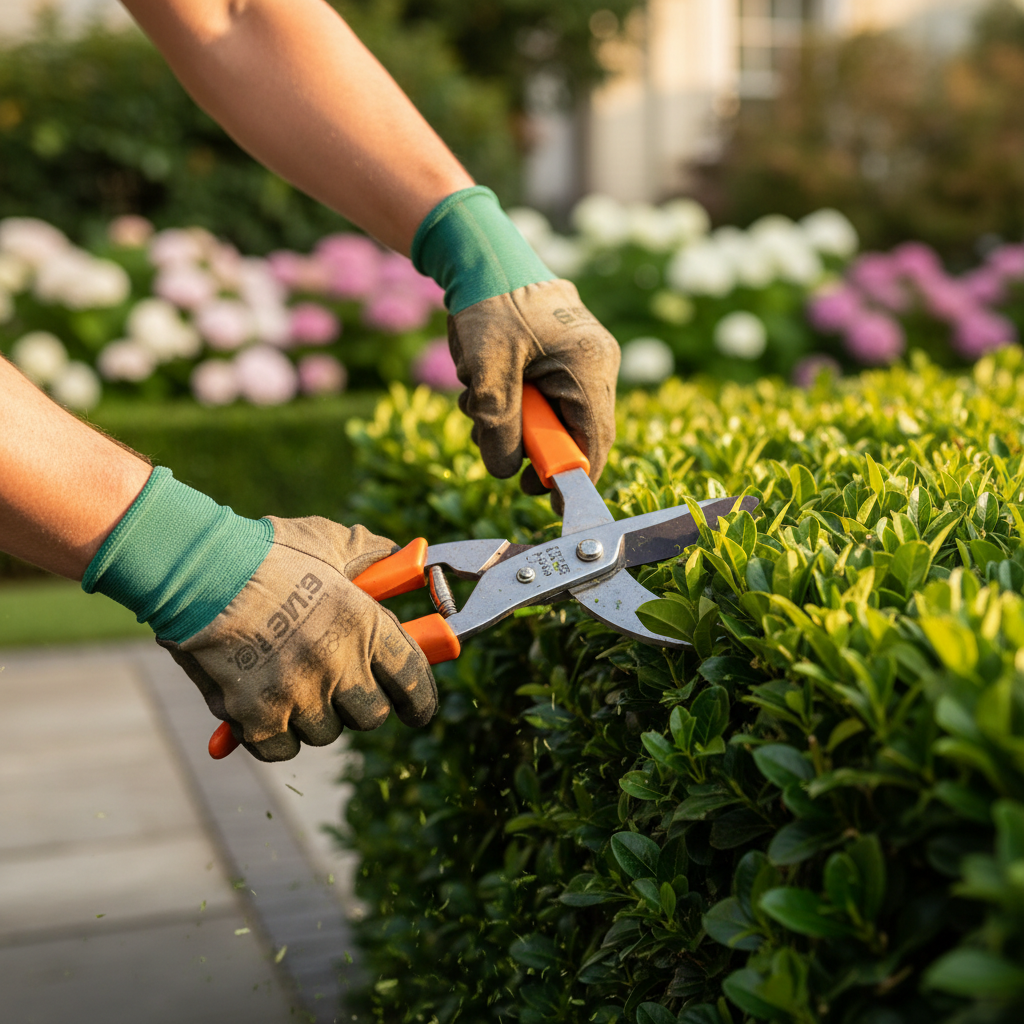
A low-maintenance landscape doesn't have to mean sacrificing beauty. Selecting plants that are well suited to your growing conditions, allowing enough room for them to reach their mature size, and incorporating a strong evergreen framework can reduce the need for pruning, watering, and ongoing maintenance while still creating an attractive front yard.
For homeowners interested in supporting pollinators and local biodiversity, incorporating native plants is another way to create a resilient landscape. Native trees, shrubs, and perennials provide food and habitat for pollinators, birds, and other beneficial wildlife while remaining well adapted to Southern Ontario's growing conditions. You don’t need to replace your entire garden, just adding a few native species alongside ornamental plants can make a meaningful contribution. If you'd like to learn more, explore our guide to Native Plants for GTA Gardens.
When selecting plants, it's equally important to consider how they will look years into the future. Choosing plants based on their mature size helps prevent overcrowding, reduces unnecessary maintenance, and allows the landscape to mature gracefully over time.
Design Tip: Choose Plants for Their Mature Size
One of the most common reasons landscapes become overcrowded is that plants are selected based on how they look at the garden centre rather than how large they'll eventually become. Giving plants the space they need to mature reduces maintenance, improves plant health, and creates a landscape that continues to look balanced for years to come.
Small Front Yards Can Make a Big Impression
A smaller front yard doesn't have to limit what's possible. In fact, many of the most memorable landscapes rely on thoughtful composition rather than a large planting area. Whether you're working with a compact lot in a newer subdivision in Oakville or a smaller front garden in an established Mississauga neighbourhood, careful planning can make the space feel welcoming, spacious, and connected to the home.
Rather than trying to include every favourite plant, focus on creating a simple, cohesive design. Repeating a limited selection of trees, shrubs, and perennials throughout the landscape creates rhythm and allows individual plants to have greater visual impact. Clean bed lines, generous planting groups, and a restrained colour palette often make a smaller property feel larger than one filled with many different plant varieties.
Scale is equally important. Oversized shrubs can quickly overwhelm a compact front yard, while plants that grow slowly or remain appropriately sized help maintain balance and preserve views of your home's architectural features.
Design Tip: Simplicity Creates Space
When space is limited, resist the temptation to fit in one of everything. Repeating fewer plant varieties creates a stronger visual impact and allows the eye to move comfortably through the landscape. A simple, well-composed planting design often feels more spacious than a garden filled with dozens of different plants.
Front Yard Landscape Lighting Ideas
Landscape lighting is often thought of as a finishing touch, but when incorporated into the design from the beginning, it becomes an integral part of how a front yard functions and feels.
Softly illuminated walkways improve safety and make it easier for family and guests to navigate after dark. Uplighting can highlight specimen trees, ornamental grasses, or attractive architectural features, adding depth and character to the landscape long after the sun has set. Even subtle lighting around the front entrance creates a warmer, more welcoming arrival at the end of the day.
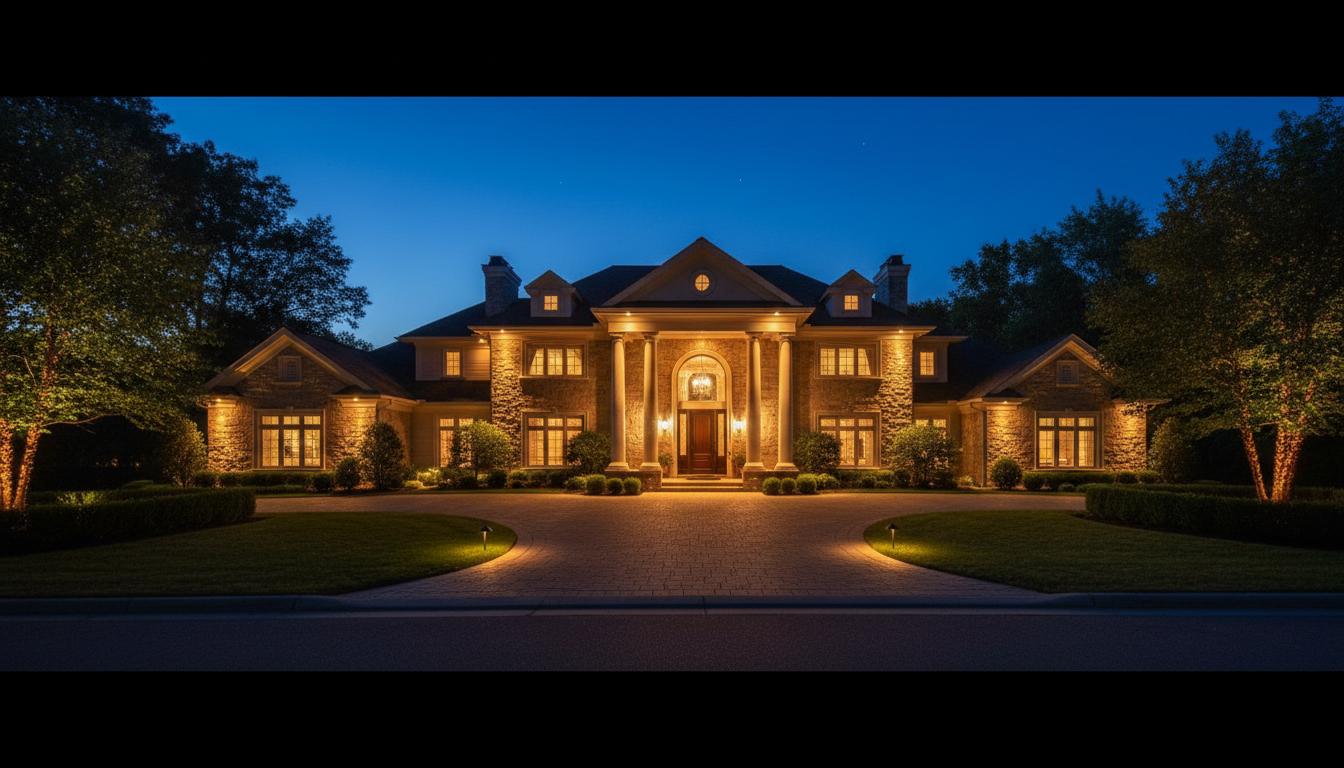
Rather than trying to illuminate everything, effective landscape lighting is selective. A few carefully placed fixtures often create a more elegant result than brightly lighting the entire property.
Design Tip: Light What Matters Most
Good landscape lighting isn't about brightness, it's about emphasis. Highlighting key features such as the front entrance, a beautiful tree, or a garden focal point creates depth and atmosphere while allowing the rest of the landscape to recede naturally into the evening.
Create Privacy Without Closing Off Your Front Yard
Privacy is one of the most common landscape goals for homeowners, but creating separation doesn't always mean building a fence or surrounding your property with tall hedges. In many front yards, especially in new Oakville and Milton neighbourhoods, thoughtful planting can create privacy while maintaining an open, welcoming feel.
The key is to think in layers. A combination of trees, shrubs, ornamental grasses, and perennials creates a softer transition between your property and the surrounding landscape. Taller plants can help filter views from neighbouring properties or busy streets, while lower planting keeps the front yard connected to the sidewalk and entrance.
The best privacy solutions are often selective rather than complete. Instead of blocking every view, consider which areas would benefit most from screening. A strategically placed ornamental tree can soften a neighbour's second-storey window, while a layered planting bed can create a more comfortable feeling around a front porch or seating area.
In this Milton front yard landscape design, a newly built home was transformed with an island garden and privacy fencing that helped define the front yard, create separation from neighbouring properties, and establish a more welcoming entrance. The combination of structure and planting demonstrates how thoughtful design can add privacy without making a front yard feel closed off.
Design Tip: You Don't Need to Block Everything
You don't necessarily need a solid hedge. Sometimes one or two carefully placed trees are enough to block sightlines from a neighbour's home while keeping your garden open, bright, and inviting.
Don't Overlook Boulevard Gardens and Side Yard Planting Areas
Some of the most challenging spaces in a landscape can also become some of the most rewarding. Boulevard gardens, narrow strips between homes, and side yard planting areas are often overlooked because they may have compacted soil, reflected heat from pavement, limited irrigation, or challenging growing conditions.
As challenging as these spaces can be, they play an important role in creating a cohesive landscape. A thoughtfully designed boulevard garden or side yard planting area helps connect different parts of the property, extends the landscape beyond the front yard, and adds colour, texture, and seasonal interest where it's often least expected.
Throughout southern Ontario neighbourhoods, these areas are valuable opportunities to introduce more resilient planting, including native species that can tolerate local conditions while supporting pollinators and wildlife. The right plant choices can transform a difficult patch of grass or struggling garden bed into an attractive, connected part of the overall landscape.
If you're dealing with a difficult planting area, explore our guide on solving common problem garden patches for practical ideas and design considerations.
Design Tip: Difficult Spaces Often Need Better Design, Not More Maintenance
When a planting area struggles, the solution isn't always more watering, fertilizing, or replacement plants. Often, the issue is that the plants and growing conditions are not well matched. Understanding the site's sun, soil, moisture, and available space is the first step toward creating a landscape that thrives.
How Front Yard Landscape Design Adds Long-Term Value
A well-designed front yard does more than improve curb appeal. It creates a stronger connection between your home and the surrounding landscape, improves how you experience your property every day, and can contribute to a more polished and cared-for appearance.
For homeowners in communities throughout the GTA, where many properties have established landscaping and mature neighbourhood character, thoughtful design can help a home stand out while still feeling like it belongs.
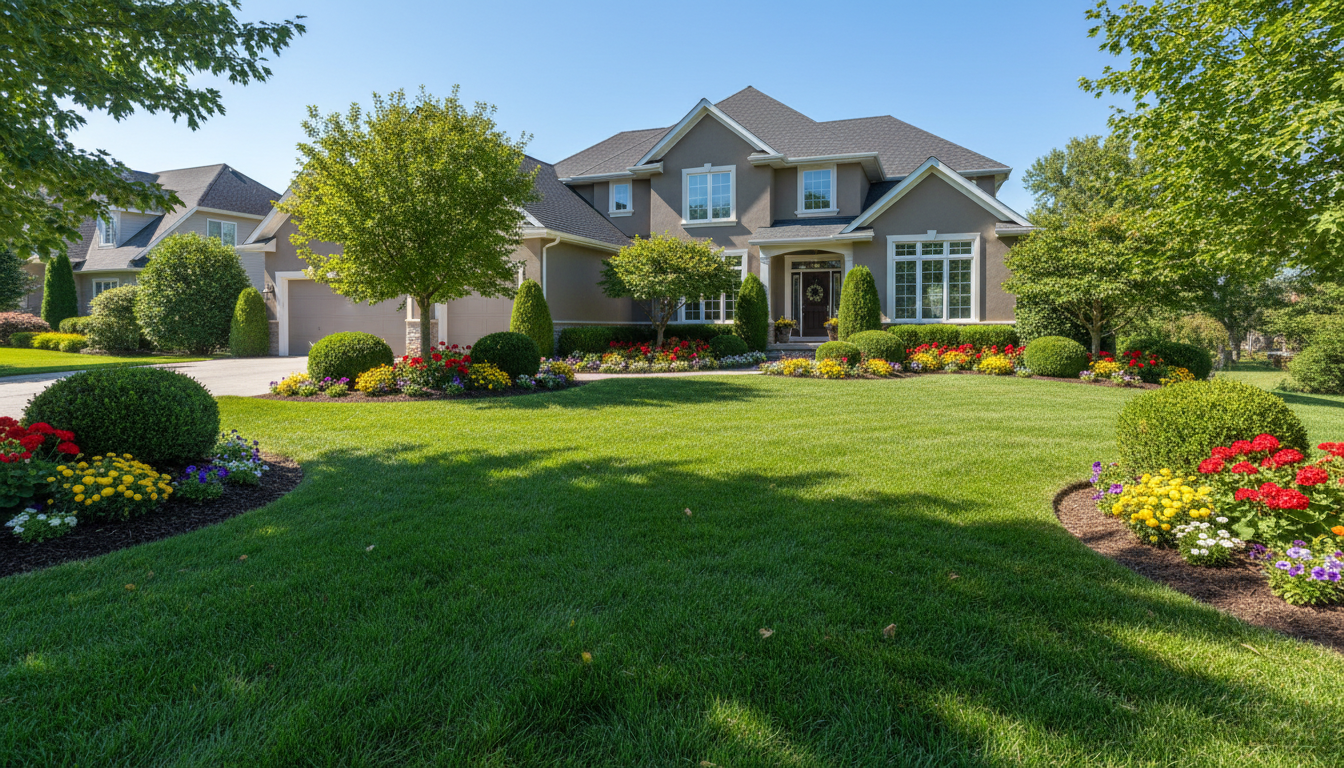
The greatest value often comes from creating a landscape that works well over time. A properly planned garden reduces future maintenance challenges, avoids costly plant replacements, and continues to improve as trees and shrubs mature.
Whether you're updating a tired foundation planting in Mississauga, redesigning a front entrance for your Oakville home, or starting from a blank slate in Milton, a landscape plan provides a clear direction and helps ensure every element works together.
Design Tip: Design for How You Live, Not Just How It Looks
The best landscapes are beautiful because they are functional. Consider how you arrive home, where you enjoy views from inside, how much maintenance you want to spend, and what features will make the space more enjoyable every day.
Create a Front Yard That Welcomes You Home
Your front yard is more than the space between your home and the street. It is the first impression of your property, the view you experience when arriving home, and an opportunity to create a landscape that reflects how you want to live outdoors.
Whether you are refreshing an existing garden, improving curb appeal, or planning a complete front yard transformation, thoughtful landscape design can help you create a space that feels intentional, functional, and beautiful through every season.
At Dimension Landscape Studio, we create thoughtful landscape designs that balance aesthetics, horticultural knowledge, and the unique characteristics of each property. From foundation planting and seasonal gardens to complete front yard redesigns, we help homeowners in Oakville, Mississauga, and surrounding communities transform their outdoor spaces with a clear plan for the future.
Frequently Asked Questions About Front Yard Landscaping
1. What are the best front yard landscaping ideas for Ontario homes?
The best front yard landscapes combine structure, seasonal interest, and plants that suit the property's conditions. A thoughtfully designed front yard typically includes a mix of trees, shrubs, perennials, ornamental grasses, and evergreen plants to provide year-round beauty. Elements such as walkways, lighting, and well-defined planting areas also help create a more welcoming and functional entrance.
2. How do I make my front yard look more welcoming?
A welcoming front yard begins with a clear path to the entrance, attractive foundation planting, and a landscape that complements the architecture of your home. Layered planting, seasonal colour, landscape lighting, and carefully placed focal points can help create an inviting arrival experience.
3. What plants are best for a low-maintenance front yard?
Low-maintenance landscapes are created through thoughtful plant selection and good design rather than simply choosing fewer plants. Plants that are well suited to the growing conditions, appropriately sized for the space, and grouped together based on similar needs typically require less ongoing care. Evergreen shrubs, ornamental grasses, hardy perennials, and native plants can all contribute to a resilient, lower-maintenance landscape.
4. How can I add privacy to my front yard without building a fence?
Privacy can often be created through layered planting rather than hard barriers. Trees, shrubs, and ornamental grasses can soften views, filter sightlines, and create a more comfortable feeling while maintaining an open connection to the street. A landscape designer can help determine where screening will have the greatest impact.
5. What are the best plants for year-round curb appeal?
The strongest landscapes include plants that contribute interest in different seasons. Spring bulbs, flowering trees and shrubs, summer perennials, autumn foliage, ornamental grasses, and evergreen plants all play a role in creating a garden that remains attractive throughout the year.
6. Should I use native plants in my front yard landscape?
Native plants can be a valuable addition to residential landscapes because they support local ecosystems, provide habitat for pollinators and wildlife, and are adapted to regional growing conditions. They can be incorporated alongside ornamental plants to create a balanced landscape that is both beautiful and ecologically beneficial.
7. How can I make a small front yard feel larger?
Small front yards often benefit from a simpler, more intentional design. Repeating plants, creating clear sightlines, choosing appropriately sized plants, and avoiding too many competing features can help a compact space feel more spacious and cohesive.
8. When is the best time to redesign a front yard?
Landscape design can be planned at any time of year, but many homeowners begin the process during winter so plans are ready for spring installation. Starting with a complete design before purchasing plants or beginning construction helps ensure that each element works together and supports the long-term vision for the property.
Continue Exploring Landscape Design
If you're planning a landscape project, these guides may also help:
- Native Plants for GTA – Discover how native trees, shrubs, and perennials can support pollinators and create resilient, beautiful landscapes.
- Choosing a Landscape Style for Your Home – Explore how different design styles influence plant choices, materials, and overall garden character.
- Landscape Design Secrets – Principles Professional Designers Use to Create Beautiful Gardens
- How Much Does Landscaping Cost in the GTA: A Realistic Pricing Guide for GTA Homeowners – Understand typical landscaping costs for patios, walkways, planting, decks, fences, and outdoor living spaces so you can plan your project budget with confidence.